Konservasi Indonesia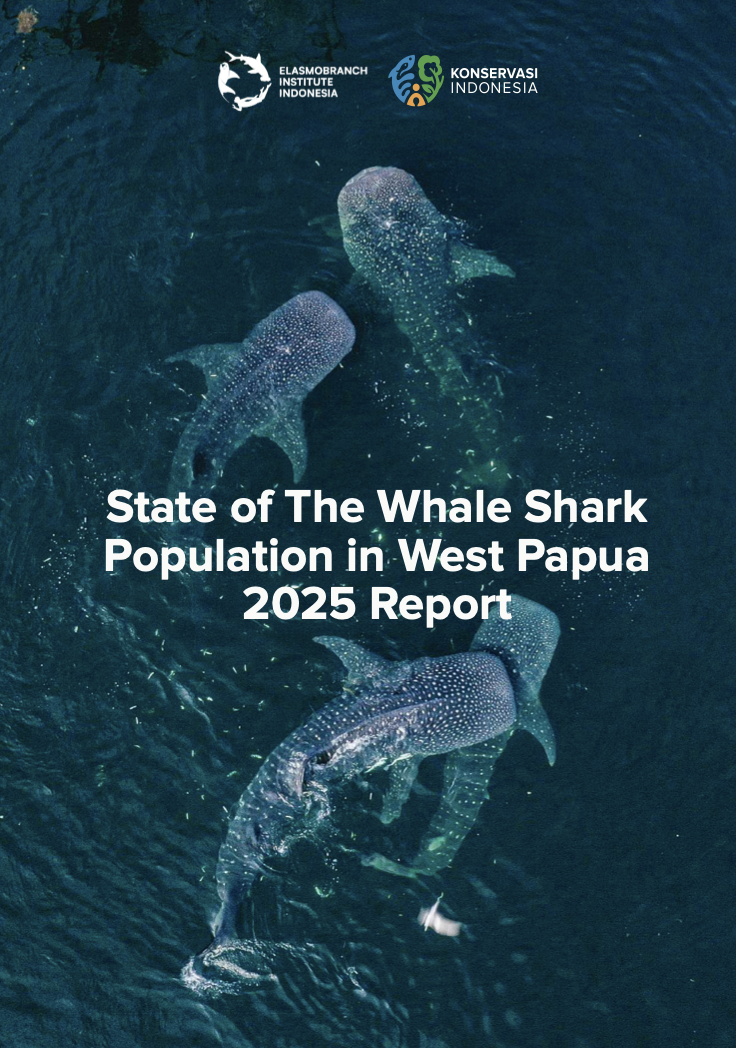
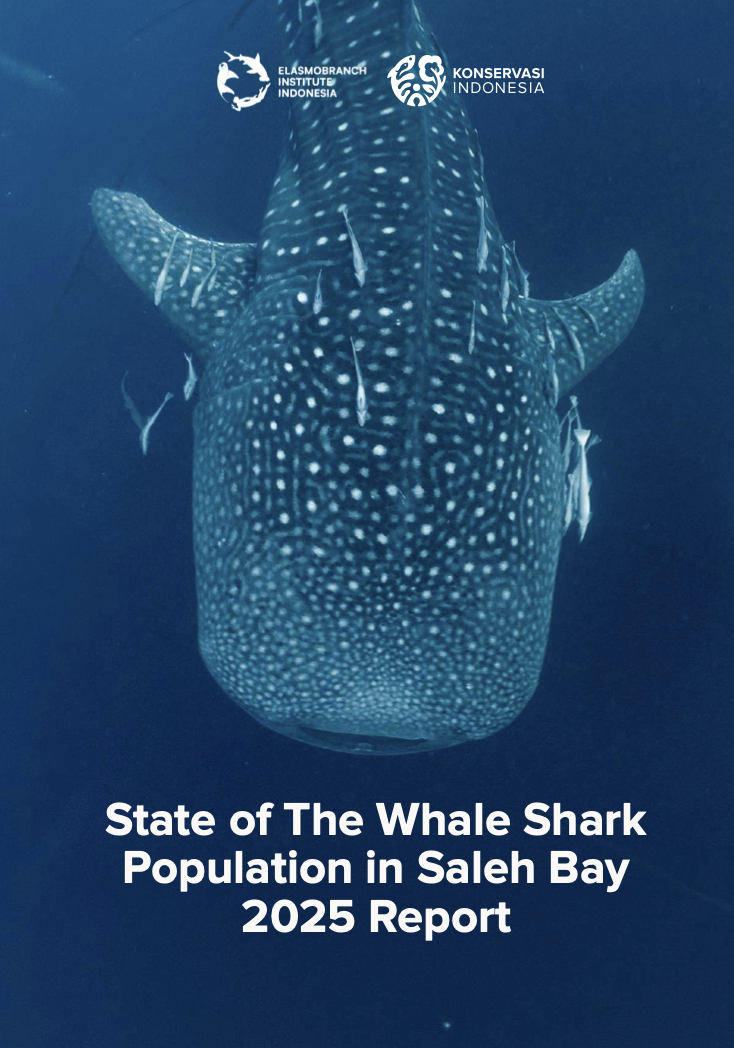
Whale sharks (Rhincodon typus) are among the most ecologically important marine megafauna species occurring in the waters of West Papua, Indonesia, a region recognized as part of the global center of marine biodiversity. Despite being nationally protected and globally classified as Endangered, significant historical knowledge gaps have limited understanding of population structure, residency patterns, and long-term conservation needs in this region. This report presents a comprehensive assessment of the whale shark population in West Papua based on long-term monitoring data collected through collaborative research and photo-identification surveys up to 2025.
The assessment is based on an extensive individual photo-identification database compiled from key aggregation areas, including Cenderawasih Bay, Kaimana, and Raja Ampat. Multi-year monitoring efforts have successfully identified 284 individual whale sharks, representing one of the largest regional datasets in Indonesia. Data were obtained using standardized photo-identification techniques supported by researchers, local stakeholders, tourism operators, and communitybased monitoring initiatives, enabling long-term tracking of individuals and evaluation of population dynamics across multiple locations.
Population analysis indicates a strongly male-dominated aggregation structure. Of all identified individuals, 222 sharks (78%) were confirmed as males, while females accounted for only 24 individuals (8%), and the sex of 38 individuals (13%) could not be determined. First sighting records indicate that individuals were primarily identified in three main regions: Cenderawasih Bay (165 individuals), Kaimana (109 individuals), and Raja Ampat (13 individuals). These findings highlight the role of West Papua as a critical habitat supporting recurring aggregations, particularly for juvenile and subadult male whale sharks that exhibit high site fidelity to coastal feeding areas.
Although whale shark aggregations appear to persist, several conservation challenges remain. Whale sharks in West Papua show strong ecological associations with lift-net fisheries (bagan), increasing the potential for behavioural dependency and human interaction. Increasing tourism activities, boat traffic, and local fishing pressures may influence habitat use and animal behaviour if not effectively managed. Limited observations of female and mature individuals also indicate important knowledge gaps regarding broader population connectivity and reproductive ecology. Overall, the 2025 assessment confirms that West Papua supports one of the most consistently monitored whale shark populations in Indonesia and likely plays an important role within the wider Indo-Pacific whale shark network, emphasizing the need for sustained investment in science-based management and adaptive conservation strategies to protect this iconic species and maintain the ecological and socio-economic benefits associated with its presence in the region.