Konservasi Indonesia
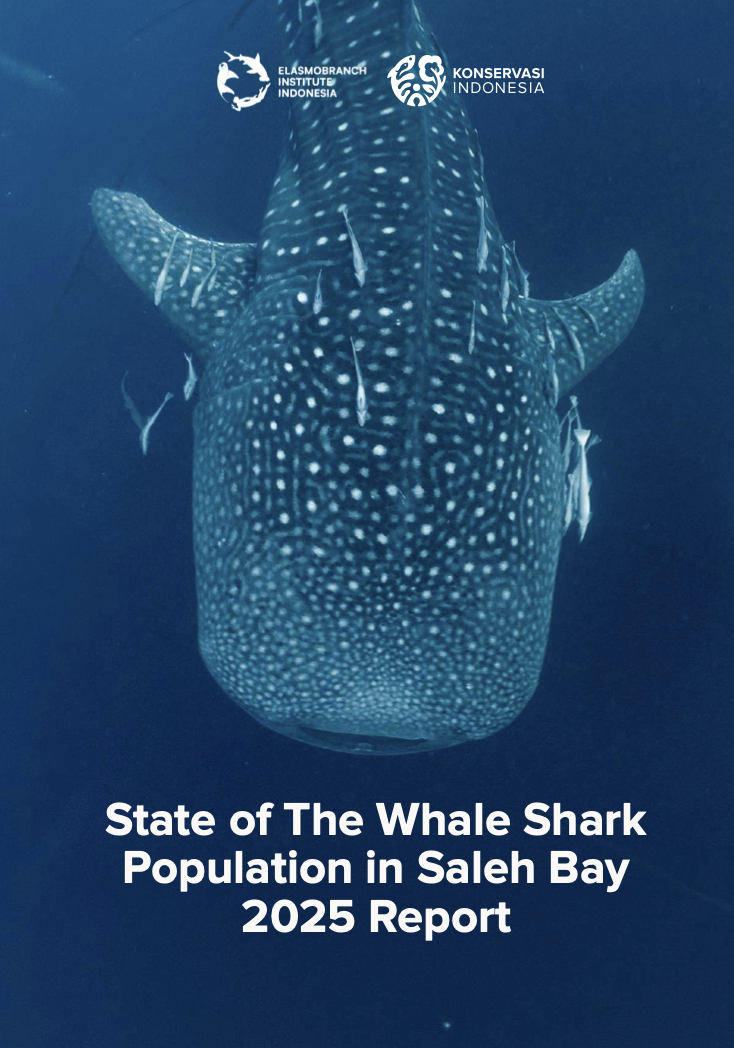
By synthesizing depth data from 989 electronic tags across 38 elasmobranch species, this global study reveals that most sharks and rays occupy epipelagic waters but frequently overlap vertically across species, with many also making regular deep dives into mesopelagic and bathypelagic zones. This strong vertical overlap indicates shared exposure to fisheries operating at different depths, meaning that horizontal spatial management alone is insufficient to mitigate risk. The findings underscore the need to integrate vertical habitat use into conservation and fisheries management—such as depth-specific gear regulations, bycatch mitigation tailored to diel diving behaviour, and MPA designs that protect both horizontal and vertical habitat dimensions—to more effectively reduce cumulative anthropogenic impacts on threatened elasmobranchs.
Author:
Samantha Andrzejaczek, Tim C. D. Lucas, Maurice C. Goodman, Nigel E. Hussey, Amelia J. Armstrong, Aaron Carlisle, Daniel M. Coffey, Adrian C. Gleiss, Charlie Huveneers, David M. P. Jacoby, et al.
Publisher:
Science Advance
Keywords:
movement ecology, vertical habitat use, diel vertical migration, species overlap, three-dimensional habitat, conservation management
Group Species:
Elasmobranch
Species:
Whale shark; Reef manta ray; etc
Scale:
Global
Year:
2022