Konservasi Indonesia
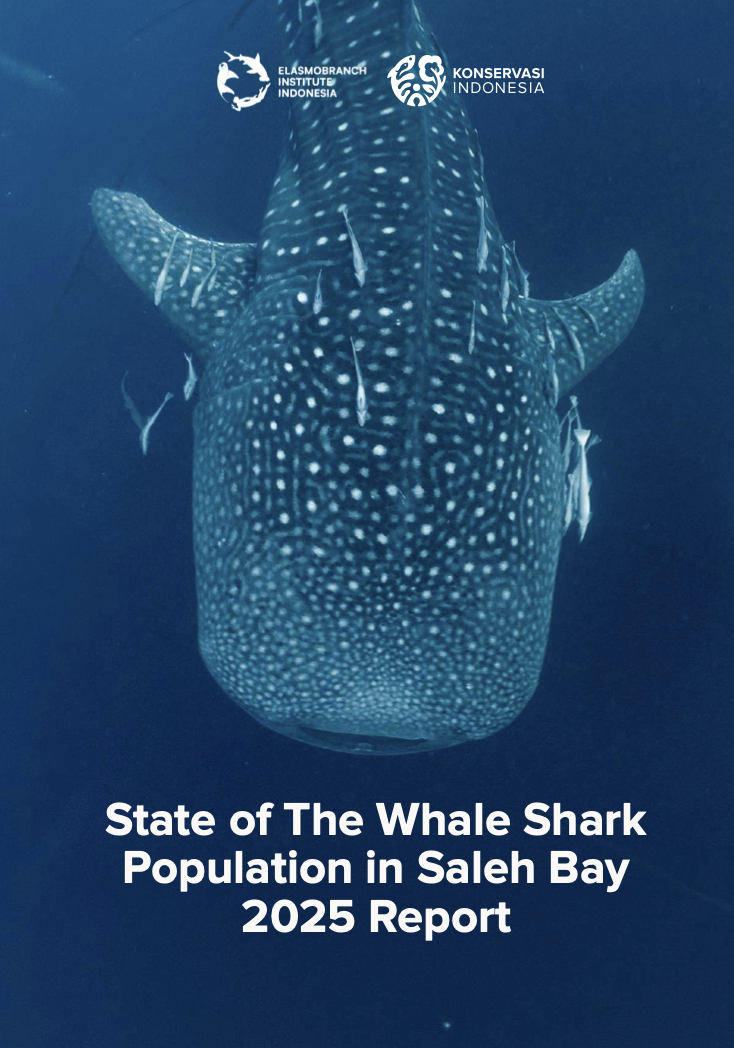
Through an ex-ante Cost–Benefit Analysis (CBA) comparing Business-as-Usual and intervention scenarios, this study demonstrates that establishing a Whale Shark–Based Marine Protected Area (WSB-MPA) in Teluk Saleh is economically, socially, and ecologically viable. The intervention scenario yields substantially higher Net Present Value and Extended Net Present Value by 2045, driven by increased benefits from whale shark ecotourism, sustained fisheries productivity at MSY, and enhanced ecosystem services from mangroves, seagrass, and coral reefs, despite higher management and opportunity costs. The results provide strong evidence that species-based conservation centered on whale sharks can simultaneously secure biodiversity protection, strengthen local livelihoods, and justify long-term public investment, supporting WSB-MPA designation as a strategic policy instrument for sustainable marine management in Indonesia.
Authors:
Victor Nikijuluw, I Made Sanjaya, Mochamad Iqbal Herwata Putra, Budiati Prasetiamartati, Hanggar Prasetio, Jimy Kalther, Yudi Herdiana, Ismail Syakurachman, Rian Prasetia, Zulkifli; Asri Puji Lestari, Suci Apriani
Publisher:
Konservasi Indonesia
Keywords:
whale shark conservation, Cost–benefit analysis, Whale Shark–Based MPA, ecosystem services, sustainable ecotourism
Group Species:
Elasmobranch
Species:
Whale shark
Scale:
Saleh Bay
Year:
2025