

Silahkan Unduh Jurnal Cetacean Stranding Hotspot dibawah ini dengan mengisi form yang tersedia. Data yang anda masukan tidak akan kami publikasikan dan disebarluaskan untuk kepentingan apapun.
 Konservasi Indonesia
16 Mar 2025
Konservasi Indonesia
16 Mar 2025
Silahkan Unduh Jurnal Cetacean Stranding Hotspot dibawah ini dengan mengisi form yang tersedia. Data yang anda masukan tidak akan kami publikasikan dan disebarluaskan untuk kepentingan apapun.
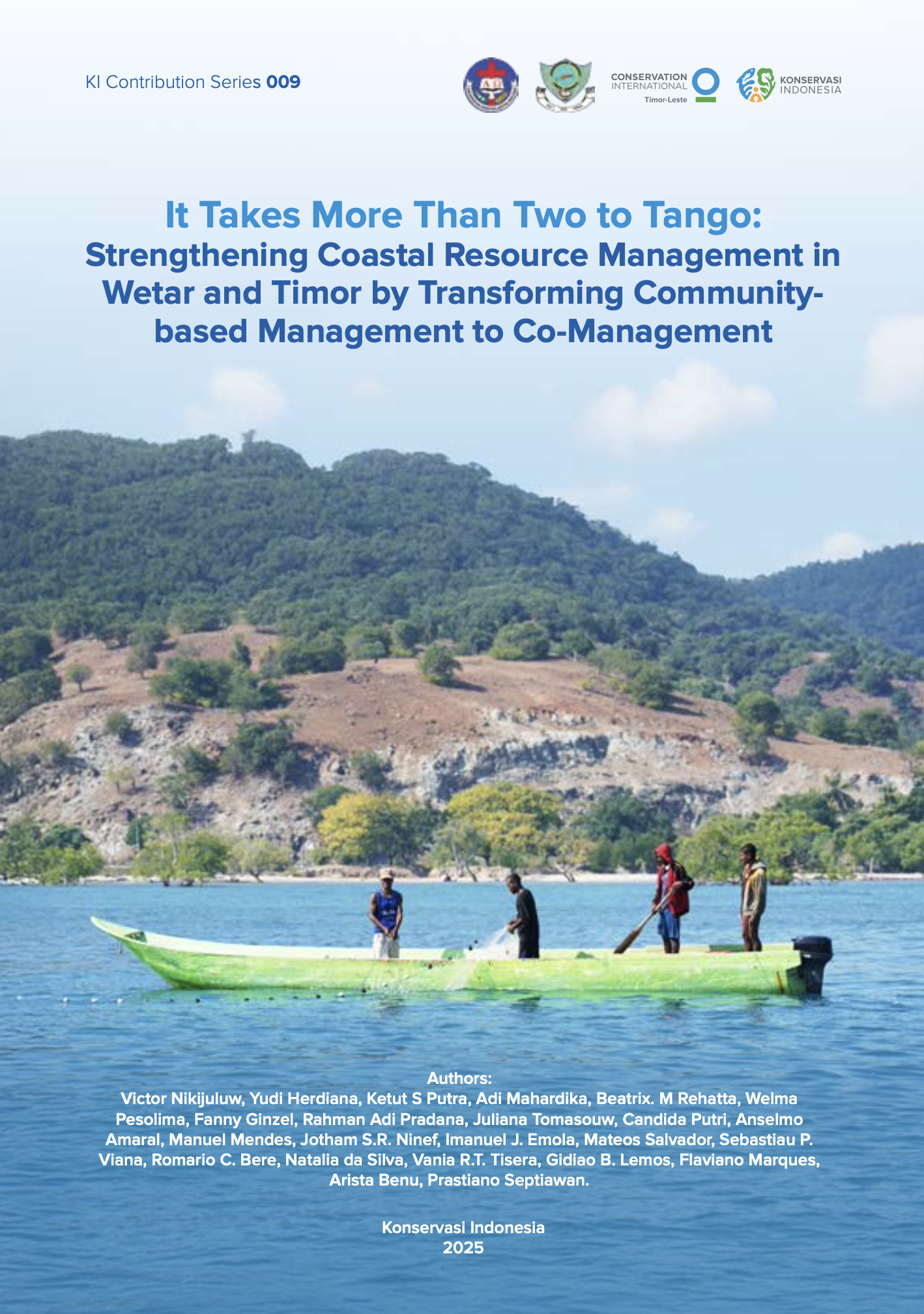
There is increasing attention from government authorities on communities as resource users in the protection and management of natural resources.... View Detail
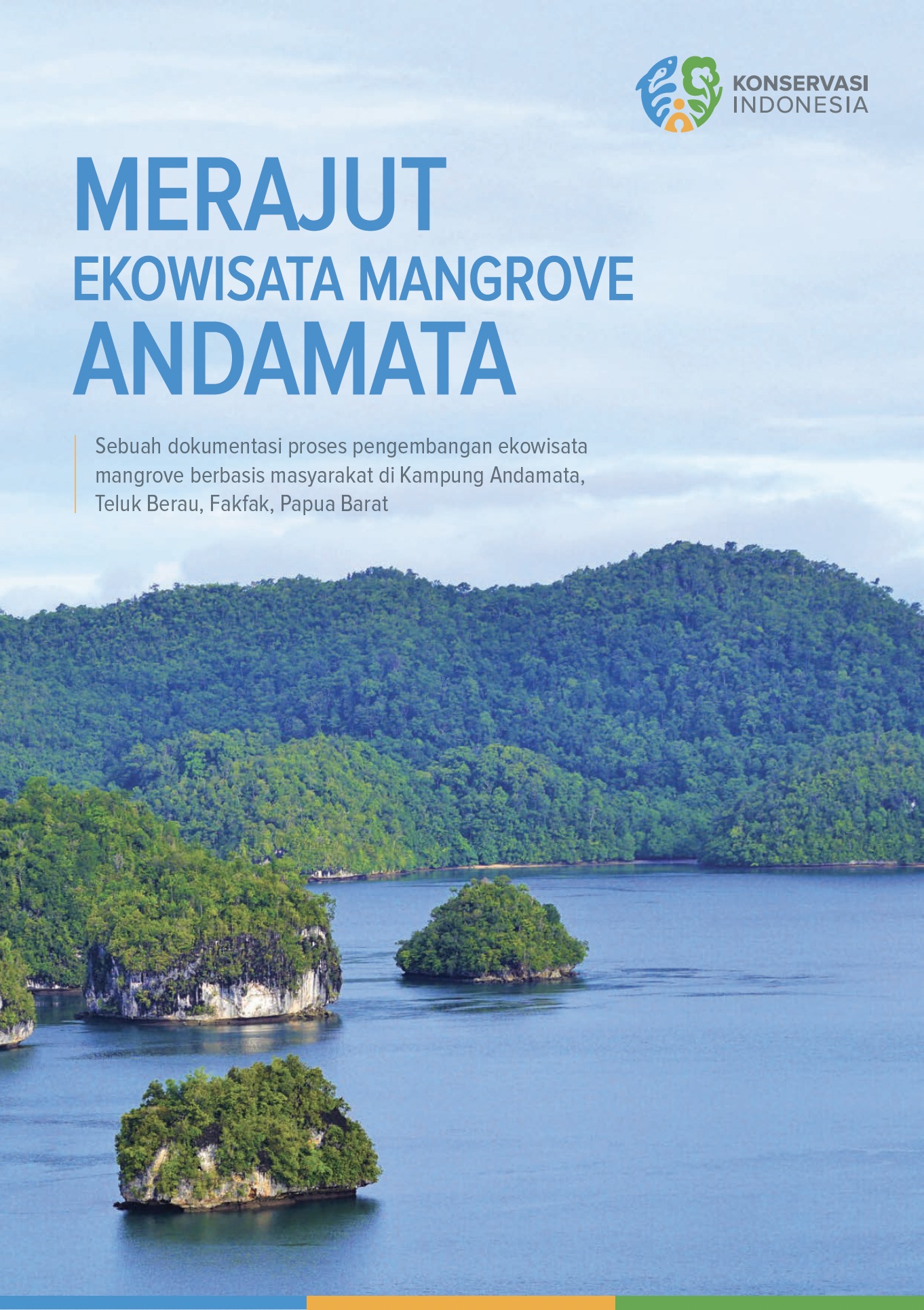
Bagi masyarakat Andamata, mangrove yang disebut sebagai “manggi-manggi” merupakan ekosistem penting yang tidak hanya menyediakan bahan pangan dan obat-obatan, tetapi... View Detail
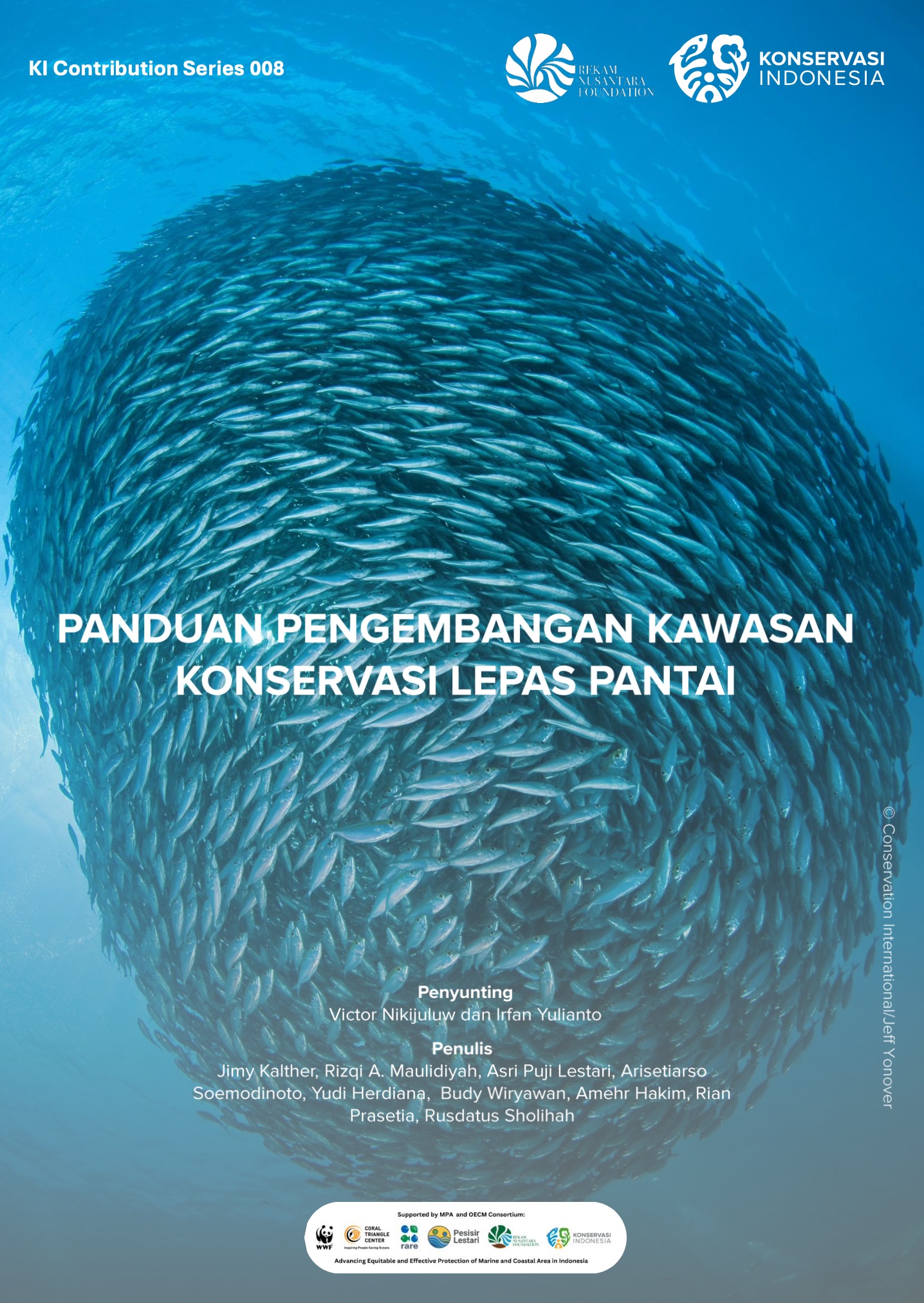
Indonesia, sebagai negara kepulauan terbesar di dunia dengan luas perairan mencapai 6,4 juta km², menghadapi tantangan besar dalam menjaga keberlanjutan... View Detail
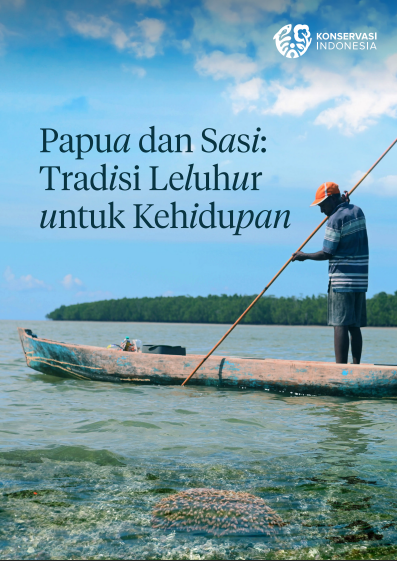
Melalui ritual yang lekat dengan unsur religi, kini masyarakat meyakini bahwa pelaksanaan Sasi menjadi jalur langit mereka untuk mendapatkan hasil... View Detail
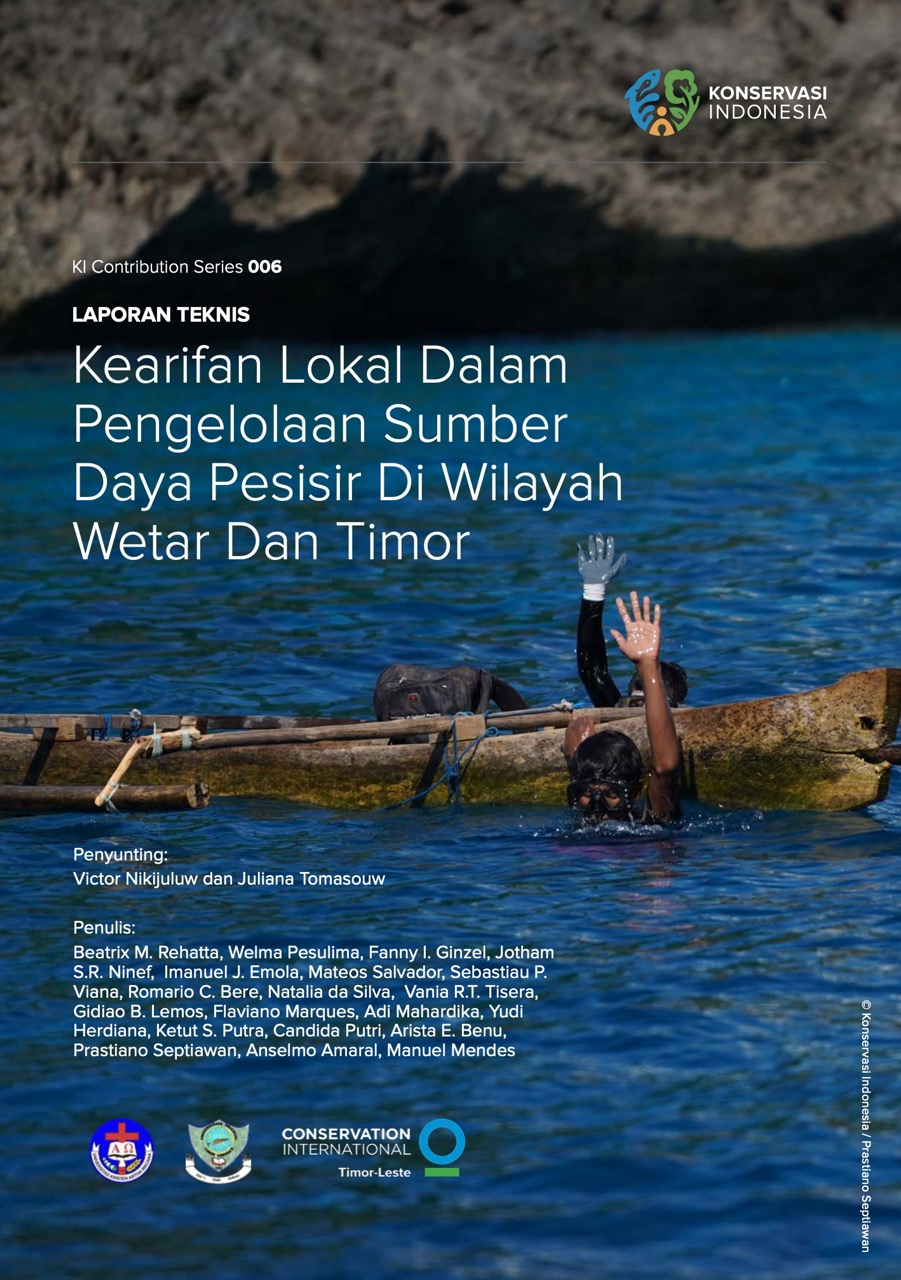
Silakan unduh dokumen ini dengan mengisi form yang tersedia. Data yang anda masukan tidak akan kami dipublikasikan dan disebarluaskan untuk... View Detail
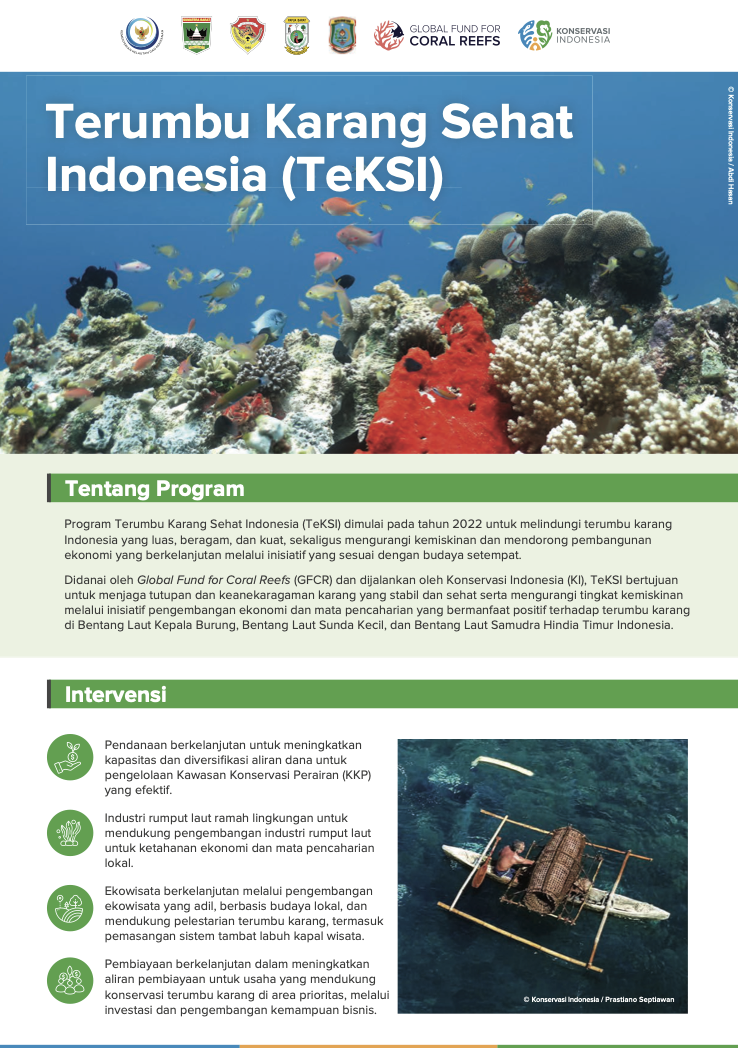
Silakan unduh dokumen ini dengan mengisi form yang tersedia. Konservasi Indonesia menjamin kerahasiaan data Anda.

Silakan unduh dokumen ini dengan mengisi form yang tersedia. Data yang anda masukan tidak akan kami dipublikasikan dan disebarluaskan untuk... View Detail

Silakan unduh dokumen ini dengan mengisi form yang tersedia. Data yang anda masukan tidak akan kami dipublikasikan dan disebarluaskan untuk... View Detail

Silakan unduh dokumen ini dengan mengisi form yang tersedia. Data yang anda masukan tidak akan kami dipublikasikan dan disebarluaskan untuk... View Detail

Silakan unduh dokumen ini dengan mengisi form yang tersedia. Data yang anda masukan tidak akan kami dipublikasikan dan disebarluaskan untuk... View Detail
