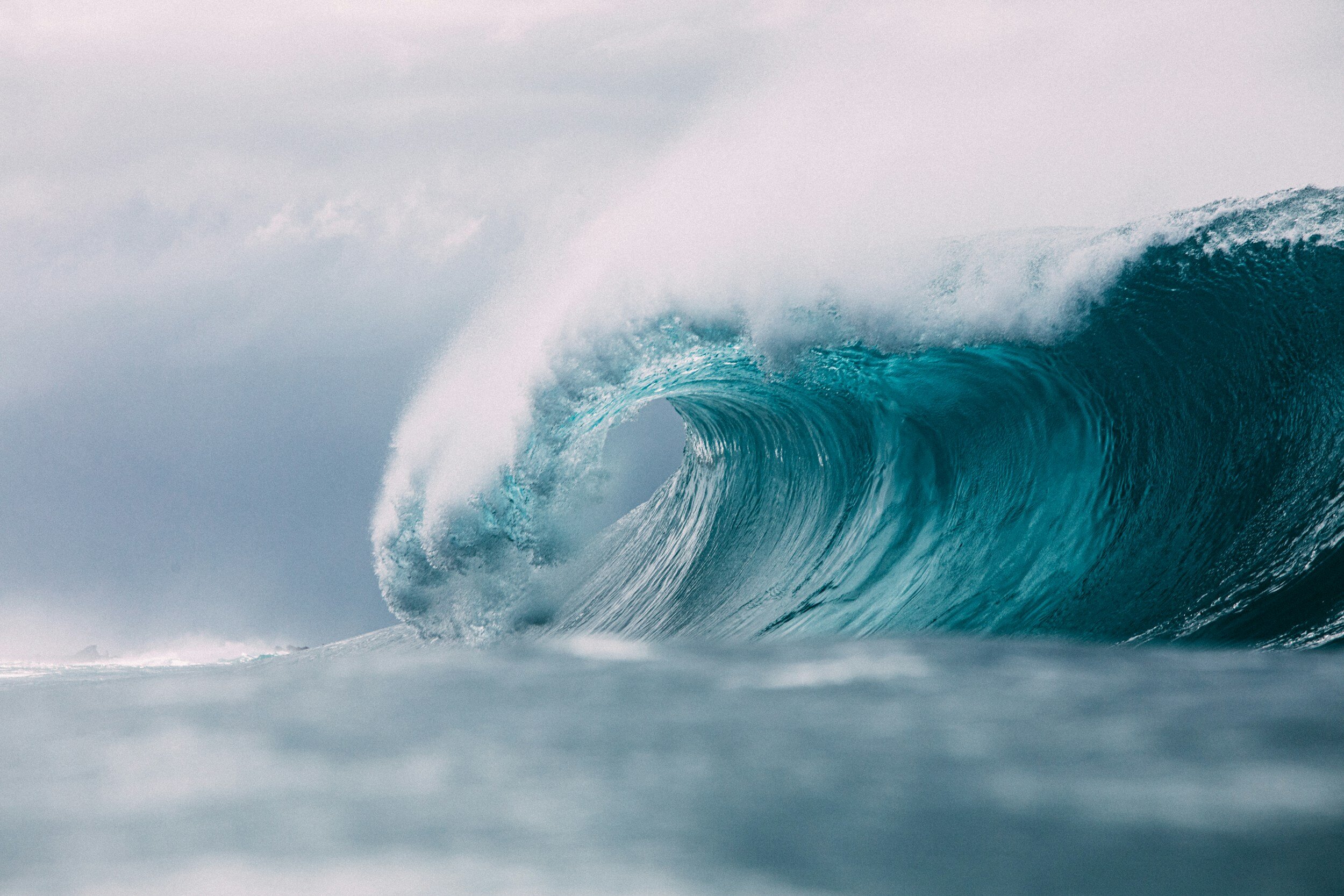
Around the world, thousands of the world’s best surf breaks overlap with vital marine and coastal ecosystems. Unfortunately, these places face threats from unsustainable development, habitat destruction, pollution and climate change – and the effects are felt directly by coastal communities and surfers.
Surfing is an incredible force for conservation
Surfing generates US$60 billion a year and is enjoyed by over 35 million people worldwide. They are deeply connected to the ocean and passionate about protecting their favorite surf spots and the ecosystems around them. So surfers want to support conservation on a large scale, helping to protect vital ecosystems and waves before they are lost.
Surf Conservation
Surf Conservation is a collaborative initiative between Conservation International and partners around the world. This initiative actualizes the transformation in the field of conservation by mobilizing the surfing community to protect irreplaceable locations. The area is known for its extraordinary waves and biodiversity with carbon-rich marine and coastal ecosystems. Conservation Indonesia, Conservation International's main implementing partner, supports implementation in several key areas in Indonesia, with a foundation of science, partnerships, and fieldwork. The main goal is to support communities and organizations in protecting, preserving and sustainably utilizing nature and biodiversity for the welfare of the Indonesian people.
Our Approach
Indonesian Conservation supports the government's agenda and collaborates with local communities to build Surf Protected Areas.
Surf Protected Areas will:
Empowering local communities to protect irreplaceable natural areas with high biodiversity and high carbon ecosystems through legally enforceable regulations,
Supporting sustainable community development through surfing and conservation related businesses, and
Building the next generation of more conservationist surfers, through surf conservation camps and classes, with a focus on gender and social equity.
The hope is that this innovative approach to marine conservation will address threats including irresponsible tourism development, deforestation, coral and sand mining, destructive fishing, plastic pollution, unsustainable development and climate change and ultimately help nature and people thrive.
By the end of 2025, Surf Conservation will establish at least 50 Surf Protected Areas worldwide that will protect more than 150 surf breaks and change the lives of tens of thousands of people. Specifically in Indonesia, the target of 40 surf protected areas is included in the next development plan.
Surf Conservation Impacts
Established 22 Surf Protected Areas in Indonesia, protecting more than 60 surf breaks and 80.000 ha of coastal and marine ecosystems spanning three islands – Morotai, Sumba and Biak.
Protecting coral reef ecosystems covering 245 ha in West Sumba, 281 ha in Morotai, and 267 ha in Biak-Supiori.
Protecting seagrass ecosystems covering 9,9 ha in West Sumba, 195 ha in Morotai, and 183,5 ha in Biak-Supiori.
Protecting terrestrial and marine ecosystems in each village, including forests, gardens, mangrove forests, coastal vegetation, and marine biota.
Surf Conservation Work Locations
West Sumba, East Nusa Tenggara
Konservasi Indonesia, together with partners involved, including village, sub-district, and district governments, Warisan Hijau for Sumba, Yayasan Satu Visi, Indonesia Locally Managed Marine Area (ILMMA), formed the West Sumba Regency Community-Based Coastal Area Development Working Group under the Regent's Decree no. KEP/HK/562/2020 and issued the Patiala Customary Agreement which regulates the management of natural resources in 4 villages and 87 traditional villages. In terms of sustainable tourism development together with Godevi we have conducted Community-Based Tourism training. The process to create a Surf Protected Area and Surf Management Plan has begun in order to build sustainability for the island.
Morotai, North Maluku
The partners involved, including village, sub-district, and district governments, Indonesia Locally Managed Marine Area (ILMMA) formed a Working Group for the Integrated and Sustainable Conservation and Tourism Development Program under the Regent's Decree Number 556/460/KPTS/PM/20. Konservasi Indonesia collaborated to create the first Protected Surf Area in Indonesia, with the aim of protecting the biodiversity and surfing ecosystem on Morotai Island. By early 2024, ten villages in Morotai had established community-based surf areas with regulations for managing natural resources on land and sea.
G-Land, Banyuwangi, East Java
G-land, Banyuwangi, has high-quality surf waves, as well as irreplaceable marine and coastal ecosystems. Konservasi Indonesia collaborates with Yayasan Kaki Kita Sukadasa, Youth Conservation Initiative, and Surf Camp at G-land. The activity is a follow-up to the support for the Indonesian Government and the World Surf League (WSL) Big Event in Alas Purwo National Park, Banyuwangi, in May 2022. In terms of waste management, the collaboration is in the form of plastic recycling activities by collecting plastic waste and then recycling it into products with economic value in the Alas Purwo area.
Bali
Konservasi Indonesia together with the Youth Conservation Initiative conducted a Surfonomics study. The study examined the importance of this ecosystem-based tourism economy for the local economy in Uluwatu, by identifying individual user expenditure (based on direct expenditure analysis). The estimated population of surf tourists to the area (Suluban and Padang-padang beaches) is 243.939 per year, with an annual expenditure of US$ 35,3 million.
Biak and Supriori, Papua
Indonesian Conservation Partner, Yayasan Pengelolaan Lokal Kawasan Laut, has pushed for the establishment of 16 Locally Managed Marine Areas (Sawai, Aman, Diano, Wirinsos, Biawer, Komboy, Karui Berik, Marur, Yeruboi, Amoi, Maniri, Imbari, Koyomi, Inyobi, Wafor, and Pariem) that protect marine and land areas. These village regulations will improve the protection and management of natural resources including fisheries and surf spots.